A General Guide to Selecting a fish knife for Fishing Trips
Wiki Article
Open the Keys of Fish Filleting With a High-Quality Fillet Blade: Tips and Techniques
Fish filleting is an art that needs the right tools and techniques. A premium fillet knife is important for achieving tidy cuts and precision. Recognizing the composition of the blade and mastering vital methods can boost one's abilities. However, numerous neglect the importance of work space prep work and common mistakes that can bring about squandered fish. This expedition will discover the nuances of efficient filleting and how to avoid challenges that hinder success.Understanding the Composition of a Fillet Knife
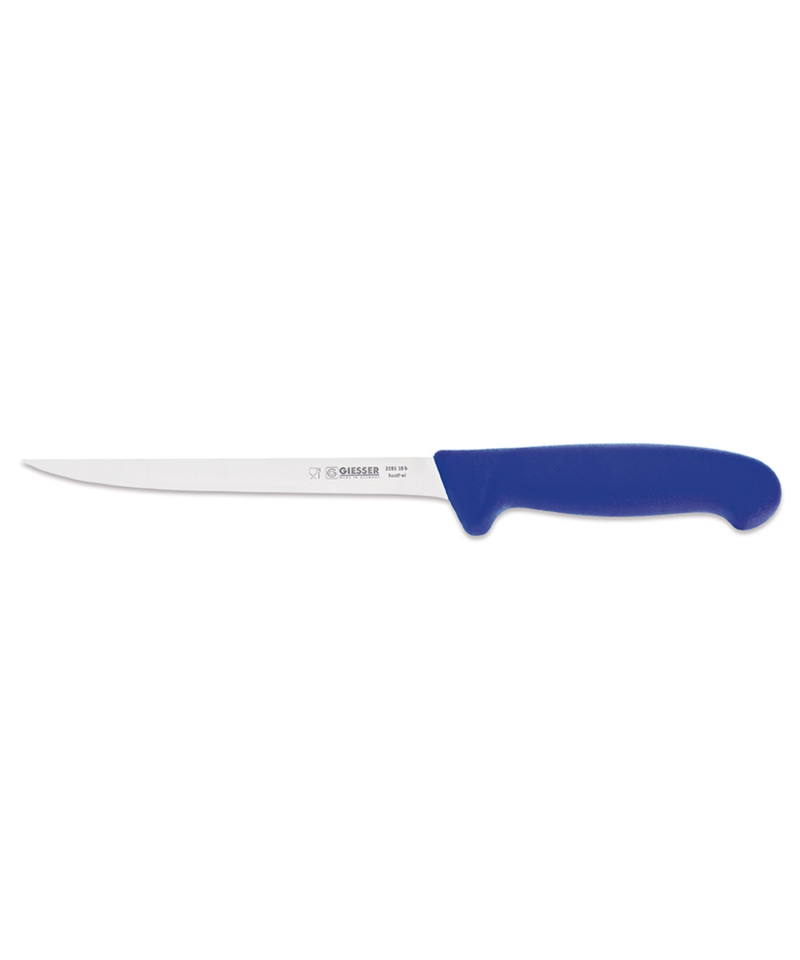
A fillet blade is a vital device for any fish enthusiast, developed especially for the fragile task of getting rid of fillets from the bone. Understanding its makeup can greatly improve an individual's filleting abilities. The blade is generally long, slim, and adaptable, permitting specific motions along the fish's spinal column and ribs - best fillet knife for saltwater fish. The sharp edge is critical for tidy cuts that lessen waste and maintain the top quality of the meatThe take care of, frequently ergonomically developed, supplies a safe and secure grasp, which is basic for control during the filleting procedure. It might be made from various products, including timber or synthetic composites, each using various degrees of comfort and longevity. The boost, located in between the blade and manage, includes stability and equilibrium. On the whole, the mindful layout of a fillet blade, from the blade to the handle, plays a pivotal role in making sure efficient and reliable fish prep work.
Choosing the Right Fillet Blade for Your Demands
Choosing the suitable fillet blade can considerably affect the efficiency and top quality of fish preparation. When picking a fillet blade, several aspects should be taken into consideration, including blade product, size, and flexibility. A blade typically varies from 6 to 9 inches, enabling accuracy based on the dimension of the fish being refined. Flexibility is important; an extra adaptable blade enables intricate cuts around bones and skin, while a stiffer blade gives much better control for bigger fish.The material of the blade additionally plays a substantial function. Stainless steel is prominent for its deterioration resistance and simplicity of maintenance, while high-carbon steel uses superior sharpness however calls for extra care to stop corrosion. Take care of comfort and grasp are similarly essential, as a protected hold is essential for safety and security and precision during filleting tasks. By taking these variables into account, one can choose a fillet blade that satisfies their specific needs and enhances their fish prep work experience.
Important Fish Filleting Methods
Comprehending important fish filleting strategies is essential for achieving accurate and tidy cuts. Correct blade grip plays a substantial role in control and security throughout the filleting procedure. Additionally, understanding the step-by-step process can boost efficiency and results, guaranteeing a premium fillet.Appropriate Knife Grip
Understanding the correct blade grasp is a fundamental skill in fish filleting that can considerably improve accuracy and control. A firm yet comfortable grasp enables the customer to assist the blade smoothly along the fish's body. The most efficient hold involves holding the take care of with the leading hand while pinching the blade's spinal column with the thumb and forefinger for added stability. This technique gives improved control during complex cuts. The non-dominant hand must be made use of to safeguard the fish, ensuring it stays consistent throughout the procedure. Appropriate grasp not just boosts precision however additionally decreases the risk of crashes. By concentrating on these essential facets, filleting ends up being a much more pleasurable and efficient task, causing far better outcomes.Filleting Refine Steps
With an appropriate knife grip established, the following action in the fish filleting process entails a collection of precise methods that ensure tidy and reliable cuts. Initially, the fish ought to be positioned on a stable cutting board, tummy side up. The fillet knife is after that put behind the gills, lowering towards the foundation. A smooth, sweeping activity along the spine separates the flesh from the bone. Mindful focus is paid to the rib cage, making sure all flesh is eliminated. When one side is total, the fish is turned to duplicate the procedure beyond. Lastly, any kind of continuing to be bones or skin are cut away, producing tidy and stunning fillets ready for cooking.Preparing Your Work Area for Filleting
Preparing a work area for fish filleting is vital for effectiveness and safety and security. An organized area, geared up with necessary devices, guarantees a smooth procedure while lessening the risk of crashes. Implementing proper precaution is important to shield both the specific and the work space during this cooking task.Tidy and Organized Area
A organized and tidy work space is necessary for effective fish filleting. It allows and reduces diversions for a smooth and effective procedure. Before starting, the area ought to be cleared of any kind of unnecessary things that could disrupt the job. A sterilized surface, ideally constructed from non-porous product, is suitable for very easy cleansing and to prevent cross-contamination. Having all necessary devices within arm's reach, such as reducing towels and boards, can enhance productivity. Furthermore, organizing the office with marked areas for tools and debris disposal assists keep tidiness and order. This prep work not just promotes a more secure setting but read what he said also enhances emphasis, allowing filleting strategies to be executed better and with better accuracy.Important Tools Checklist
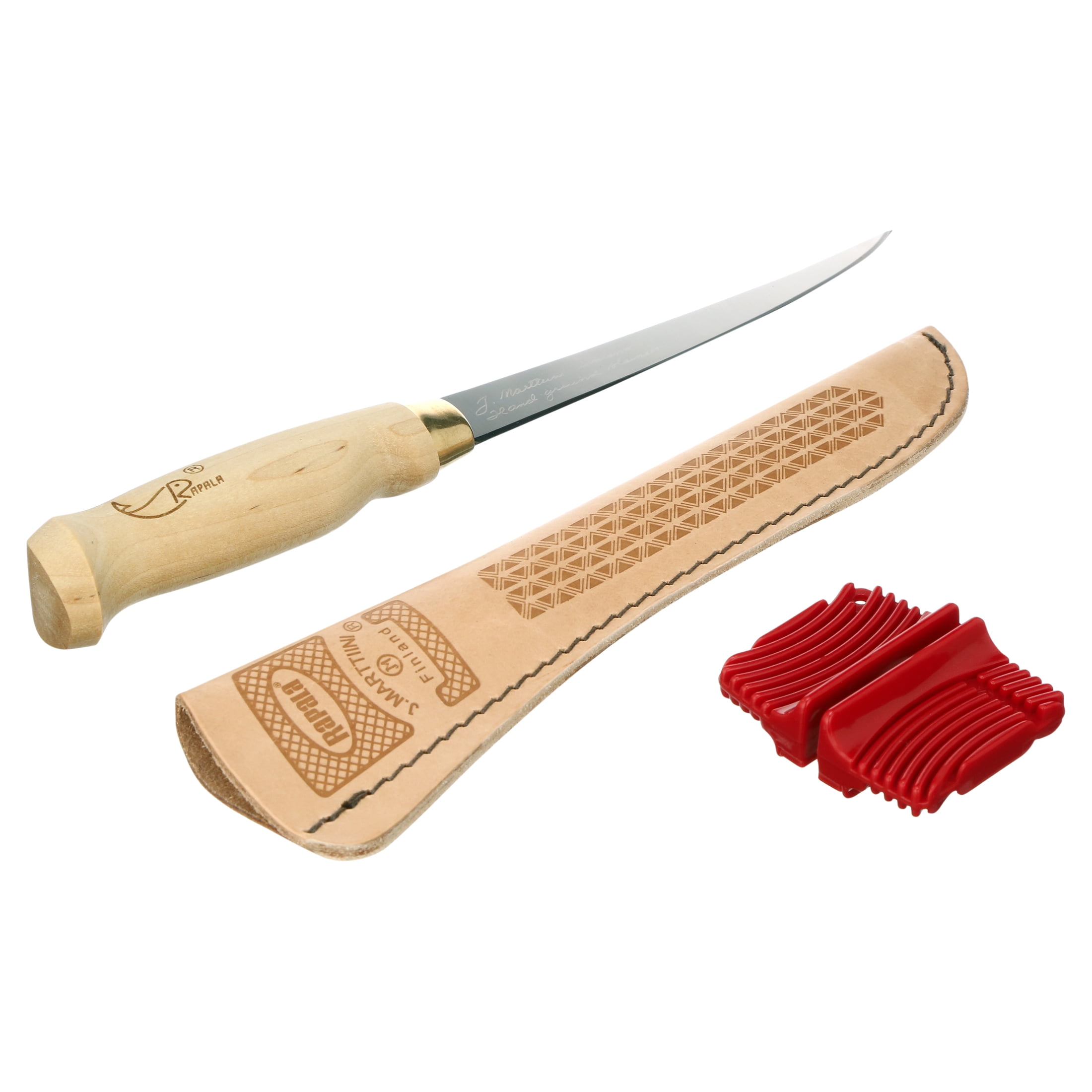
A reliable fish filleting procedure counts greatly on having the right tools handy. Essential products include a high-quality fillet knife, which guarantees accuracy and ease when puncturing fish flesh. A tough reducing board is important for giving a secure surface and protecting counter tops. Additionally, a set of fish pliers aids in removing bones successfully. Having a sharpener nearby is necessary to keep the blade's side during the procedure. A container for scraps keeps the workspace neat. A towel can help in handling slippery fish and cleaning surfaces. By gathering these devices, one sets the stage for a satisfying and successful filleting experience, advertising both performance and efficiency.Correct Precaution
Tips for Maintaining Your Fillet Knife
Appropriate maintenance of a fillet knife is necessary for assuring optimal efficiency and long life. Regular cleaning after each usage is essential; a straightforward clean with cozy, soapy water followed by thorough drying avoids rust and rust. It is recommended to avoid saturating the knife or positioning it in a dish washer, as these approaches can deal with and harm the blade.Sharpening the blade periodically is likewise significant. Developing or using a whetstone pole can assist preserve a knifelike side, which is very important for accuracy filleting. Furthermore, saving the knife effectively protects its blade; a knife sheath or magnetic strip is preferred over a cabinet where it may experience various other utensils.
Examining the knife consistently for signs of wear or damages guarantees that it remains efficient and secure. By adhering to these maintenance tips, individuals can prolong the life of their fillet blade and enhance their general fish filleting experience.
Usual Errors to Stay Clear Of When Filleting Fish
Filleting fish can be a satisfying experience, however typical mistakes can bring about squandered meat and frustration. One frequent error is using a plain blade, which can make accurate cuts difficult and cause tearing the flesh. Additionally, lots of newbie anglers disregard to properly scale the fish, making it challenging to accomplish clean fillets. Another mistake is not following the natural shapes of the fish; cutting versus the grain can bring about uneven items and squandered meat. Failing to remove all bones can likewise interfere with the final dish, as diners may experience undesirable surprises. Finally, rushing via the process can lead to careless cuts and safety dangers. By bearing in mind these typical risks, people can enhance their filleting technique and ensure a much more gratifying and efficient experience when preparing fish.Enhancing Your Fish Dishes With Flavorful Marinades and Seasonings
Flavorings play an important role also. A spray of sea salt and newly cracked pepper can highlight the integral flavors of the fish, while spices such as paprika or cumin can add heat and complexity. Furthermore, incorporating active ingredients like ginger or chili can introduce an exciting kick.
Try out various combinations allows chefs check it out to uncover distinct flavors that complement different fish kinds. Ultimately, the right sauce or spices transforms a simple fish dish right into a cooking delight, making it remarkable for those who delight.
Regularly Asked Questions
Just how Do I Develop My Fillet Blade in your home?
To hone a my response fillet knife at home, one can utilize a whetstone or developing pole (fish fillet knife). Maintaining a consistent angle while sharpening guarantees a reliable edge, while routine refining maintains the blade in peak condition for filletingCan I Make Use Of a Fillet Knife for Other Sorts Of Meat?
Yes, a fillet knife can be used for other kinds of meat, although its layout is maximized for fish. Its versatility and intensity may help in specific cuts, but specific meat knives are typically a lot more effective.What's the very best Means to Clean My Fillet Blade After Usage?
To clean a fillet blade after usage, one must wash it with warm water, apply light soap, gently scrub the blade with a soft sponge, and extensively dry it to stop rust and preserve intensity.Exactly how Frequently Should I Change My Fillet Knife?
A fillet blade ought to be replaced each to 2 years, depending on use and upkeep. Normal developing and proper care can prolong its life, but indications of wear indicate it's time for a substitute.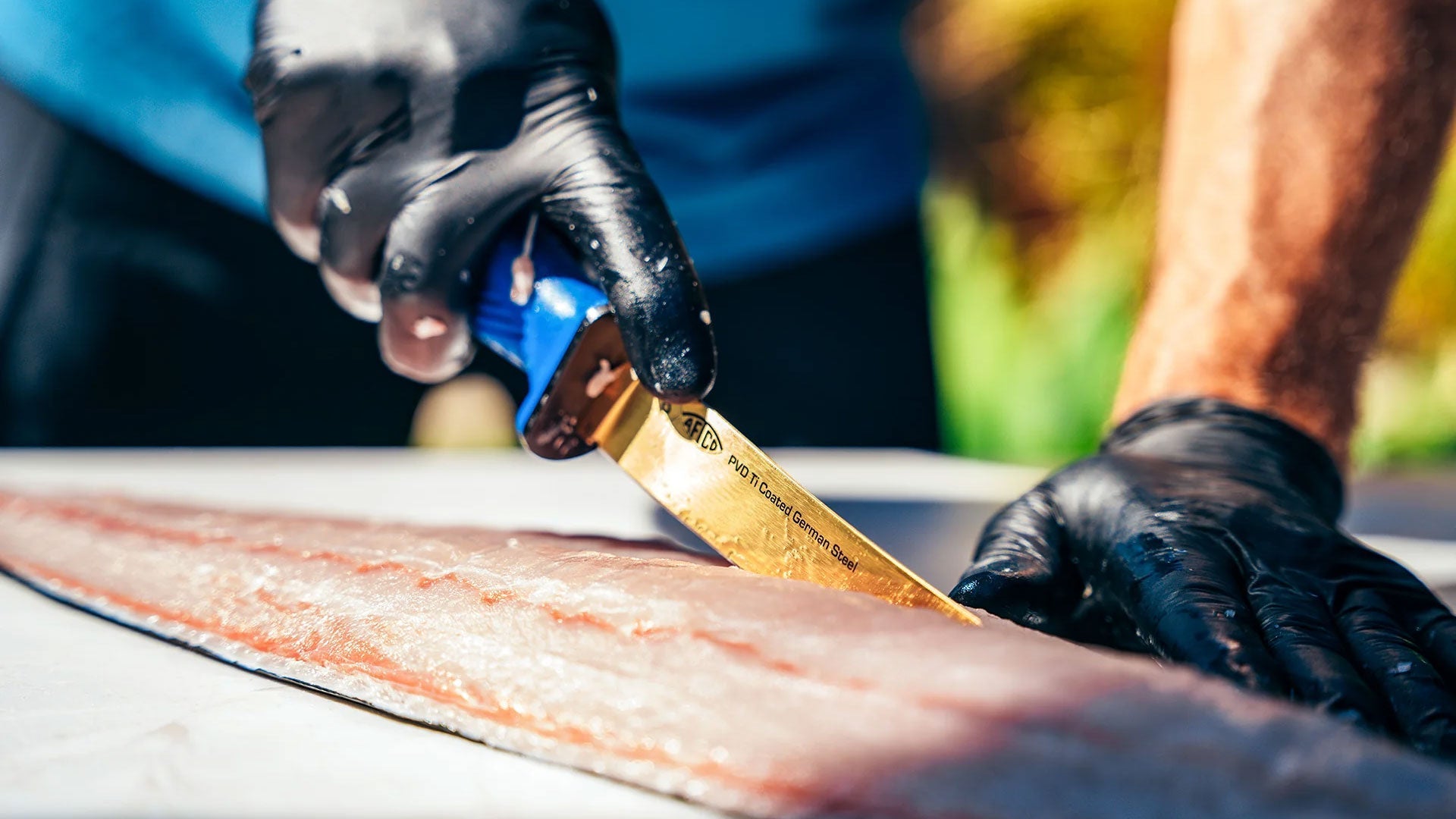
Exist Details Brands of Fillet Knives Recommended for Beginners?
A number of brands are recommended for novices, consisting of Victorinox, Rapala, and Dexter-Russell. These blades use an excellent balance of quality, price, and convenience of usage, making them suitable for those new to fish filleting.A fillet blade is a crucial device for any fish enthusiast, designed specifically for the fragile task of eliminating fillets from the bone. Picking the ideal fillet knife can substantially affect the effectiveness and top quality of fish preparation. Important things include a premium fillet knife, which guarantees accuracy and convenience when cutting through fish flesh. Correctly protecting the fish with a towel or a specialized fish owner can provide added control. Yes, a fillet blade can be made use of for various other kinds of meat, although its design is optimized for fish.
Report this wiki page